
Is Weed Legal in Philippines?
Comprehensive legal status information for Weed in Philippines
No specific cannabis law information available
- Recreational
- illegal
- Medical
- restricted
- Possession
- Cannabis possession is illegal; no decriminalized limit; penalties apply
- Buying/Selling
- Illegal to buy or sell cannabis; no legal market; limited medical use possible under FDA permits
- Tourists
- Tourists subject to same laws; no exemptions for cannabis use
Detailed Information
Current Legal Status
Cannabis is currently illegal in the Philippines. The prohibition of cannabis dates back to the early 20th century, with the Dangerous Drugs Act of 1972 marking a significant point in the criminalization of cannabis and other drugs. The law categorized cannabis as a dangerous drug, leading to strict penalties for possession, cultivation, and distribution. Over the years, various administrations have maintained a hardline stance against drug use, including cannabis, which has been viewed as a significant public health and safety issue.
Possession Penalties
The penalties for possession of cannabis in the Philippines are severe and vary based on the amount of cannabis involved. Possession of any amount can lead to imprisonment ranging from 6 months to 12 years, depending on the weight of the cannabis. For instance, possession of less than 10 grams may result in a minimum sentence of 6 months, while possession of larger quantities, such as over 500 grams, can lead to a sentence of life imprisonment. First-time offenders may face lighter sentences, but repeat offenders typically face harsher penalties, including longer prison terms and heavier fines.
Cultivation & Distribution
Penalties for cultivating or distributing cannabis are particularly severe in the Philippines. Cultivating even a small number of cannabis plants can result in imprisonment for a minimum of 12 years, with the possibility of life imprisonment for larger operations. Distribution or sale of cannabis is treated as a serious crime, with penalties ranging from 12 to 20 years of imprisonment, along with substantial fines that can reach up to 500,000 Philippine pesos (approximately $10,000). The government has consistently emphasized a zero-tolerance policy towards drug trafficking, including cannabis.
Enforcement
Enforcement of cannabis laws in the Philippines is strict, with law enforcement agencies prioritizing drug-related offenses as part of a broader anti-drug campaign. The Philippine National Police (PNP) actively conducts operations against drug users and dealers, often leading to arrests and prosecutions. The court system generally upholds the stringent penalties associated with cannabis offenses, and there have been reports of extrajudicial actions taken against suspected drug offenders. This environment creates a climate of fear surrounding drug use, including cannabis.
Medical Exceptions
As of now, there are no legal provisions for medical cannabis use in the Philippines. While there have been discussions about potential medical cannabis legislation, particularly for patients with chronic illnesses, no formal laws have been enacted. The use of CBD (cannabidiol) products is also largely unregulated, and any cannabis-derived products remain illegal. Patients seeking alternative treatments often face significant legal risks.
Reform Efforts
There have been ongoing reform efforts aimed at decriminalizing or legalizing cannabis in the Philippines. Various advocacy groups and lawmakers have pushed for legislation to allow medical cannabis use, citing potential benefits for patients with debilitating conditions. Public opinion on cannabis reform appears to be gradually shifting, with some polls indicating that a portion of the population supports the legalization of medical cannabis. However, these efforts have faced significant opposition from government officials and law enforcement agencies, who maintain a strong stance against drug use.
Travel Warning
Tourists traveling to the Philippines should be aware of the strict cannabis laws and the zero-tolerance policy enforced by law enforcement. Possession of even small amounts of cannabis can lead to severe legal consequences, including arrest and imprisonment. Travelers are advised to refrain from bringing any cannabis products into the country, as customs inspections are rigorous, and penalties for violations can be harsh. It is crucial for visitors to respect local laws and customs to avoid legal troubles.
Comparison to Neighbors
- The cannabis laws in the Philippines are among the strictest in Southeast Asia, particularly when compared to countries like Thailand, which has recently legalized medical cannabis. In contrast, countries like Indonesia and Malaysia also maintain harsh penalties for cannabis offenses, similar to the Philippines.
- Cross-border risks are significant, as neighboring countries may have different laws regarding cannabis. Travelers should be cautious when crossing borders, as possession of cannabis can lead to severe penalties in both the Philippines and its neighboring countries.
Recent News
Latest updates from trusted news sources
From heady highs to desperate lows: Inside Thailand’s return to medical-only cannabis
From heady highs to desperate lows: Inside Thailand’s return to medical-only cannabisAfter Thailand’s u-turn to reclassify cannabis as a controlled herb - effectively banning its recreational use - ma...
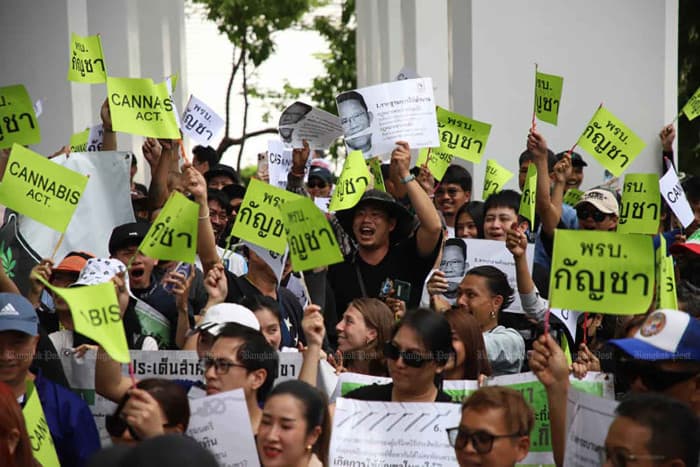
Cannabis activists demand parties clarify stance
Thailand General Cannabis activists demand parties clarify stance PUBLISHED : 14 Jan 2026 at 05:46 NEWSPAPER SECTION: News WRITER: Apinya Wipatayotin Small Medium Large Listen to this article Play Pau...
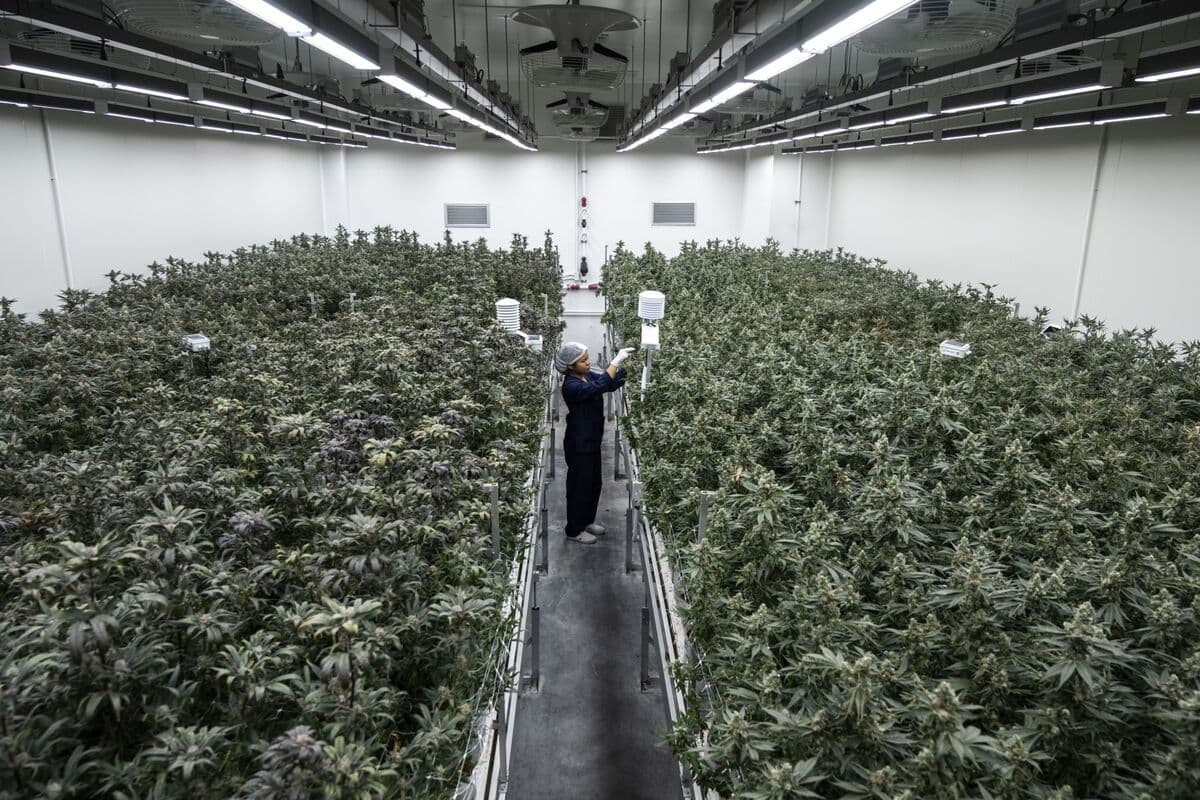
Thailand Plans New Cannabis Rules to Rein in Dispensary Boom
PoliticsGiftExpandCannabis plants inside a greenhouse in Samut Prakan, Thailand.Photographer: Sirachai Arunrugstichai/BloombergGiftGift this articleContact us:Provide news feedback or report an errorC...

Understanding "medical Cannabis"
HomeSingapore's drug situationMyths and facts about drugsCannabisUnderstanding "medical Cannabis"Understanding "medical Cannabis"Singapore clarifies that raw cannabis isn’t medically validated or safe...
Anti-ganja group demands political parties clearly announce their stand on cannabis
nullNews Anti-ganja group demands political parties clearly announce their stand on cannabisTHURSDAY, JANUARY 15, 2026 PlayLoading... An anti-cannabis group is calling on political parties to clearly ...
Policy History
Track the evolution of cannabis policies in Philippines over time.
No specific cannabis law information available
No specific cannabis law information available
No specific cannabis law information available
No specific cannabis law information available
No specific cannabis law information available
No specific cannabis law information available
No specific cannabis law information available
No specific cannabis law information available
No specific cannabis law information available
Senator Robin Padilla filed a bill to legalize medical use of cannabis drugs; concerns about safeguards were raised.
Disclaimer
This guide is for informational purposes only. We do not encourage or facilitate illegal activity. Laws and enforcement vary by location — always follow local regulations. Consult with local authorities or legal professionals for the most current and accurate information regarding Weed in Philippines.