
Is Weed Legal in Pakistan?
Comprehensive legal status information for Weed in Pakistan
No specific cannabis law information available
- Recreational
- illegal
- Medical
- restricted
- Possession
- Illegal possession; cultivation allowed only with permit for medical/scientific/industrial uses
- Buying/Selling
- Illegal to buy or sell; no legally sanctioned retail; illicit markets exist
- Tourists
- Same laws apply to tourists; no exemptions
Detailed Information
Current Legal Status
Cannabis is currently illegal in Pakistan. The prohibition of cannabis dates back to the early 1970s when the government enacted strict drug laws, leading to the suppression of cannabis cultivation and use. Despite its historical use in traditional medicine and cultural practices, cannabis was classified as a narcotic under the Control of Narcotic Substances Act of 1997, which further reinforced its illegal status.
Possession Penalties
Criminal penalties for possession of cannabis in Pakistan can be severe. Possession of small amounts, typically defined as less than 100 grams, can result in fines ranging from PKR 10,000 to PKR 100,000 (approximately USD 60 to USD 600) and imprisonment for up to 6 months. For larger quantities, penalties increase significantly; possession of over 100 grams can lead to imprisonment of 1 to 5 years and fines that can reach PKR 500,000 (around USD 3,000).
First offenses generally result in lighter penalties, but repeat offenses can lead to harsher sentences, including longer prison terms and higher fines. The legal system tends to view repeat offenders with less leniency, often resulting in mandatory minimum sentences.
Cultivation & Distribution
Cultivating or distributing cannabis in Pakistan attracts severe penalties. Cultivation of any amount is illegal and can lead to imprisonment of 2 to 10 years, along with substantial fines. Distribution or trafficking of cannabis is treated even more harshly, with penalties often starting at 5 years of imprisonment and can extend to life sentences, depending on the quantity involved. The law is particularly stringent against organized trafficking, which is viewed as a serious crime.
Enforcement
The enforcement of cannabis laws in Pakistan is generally strict, with law enforcement agencies prioritizing drug-related offenses. Police conduct regular raids and operations to eradicate cannabis cultivation, especially in rural areas where it is more prevalent. The court system tends to uphold strict penalties for drug offenses, and cases can lead to lengthy legal proceedings. However, enforcement can vary by region, with some areas experiencing more leniency due to local customs or corruption.
Medical Exceptions
Currently, there are no legal provisions for medical use of cannabis in Pakistan. The government has not recognized any medical exceptions or allowances for CBD products, despite global trends toward medical cannabis legalization. Any possession or use of cannabis for medicinal purposes is treated the same as recreational use, resulting in the same legal consequences.
Reform Efforts
In recent years, there have been discussions regarding the potential decriminalization or legalization of cannabis, particularly for industrial hemp. Some political figures and activists advocate for reform, citing potential economic benefits and the need for a more progressive drug policy. Public opinion polls indicate a growing awareness and support for cannabis reform, especially among younger demographics. However, significant legislative changes have yet to materialize, and the government remains largely resistant to altering the current legal framework.
Travel Warning
Tourists traveling to Pakistan should be aware of the country's strict zero-tolerance policies regarding cannabis. Possession, use, or trafficking of cannabis can lead to severe legal repercussions, including arrest and imprisonment. Travelers are advised to avoid any involvement with cannabis to prevent legal issues. The government actively monitors and enforces drug laws, and foreign nationals are not exempt from penalties.
Comparison to Neighbors
- Compared to neighboring countries, Pakistan's cannabis laws are among the strictest. For instance, India has a more lenient approach towards cannabis, particularly in certain states where it is tolerated for personal use. In contrast, Afghanistan, while also having strict laws, is known for its significant illicit cannabis cultivation.
- Cross-border risks are notable, as cannabis trafficking is a serious issue in the region. Individuals caught attempting to smuggle cannabis across borders face severe penalties in both Pakistan and neighboring countries. Law enforcement agencies are vigilant about drug trafficking, and the consequences can be dire for those involved.
Recent News
Latest updates from trusted news sources
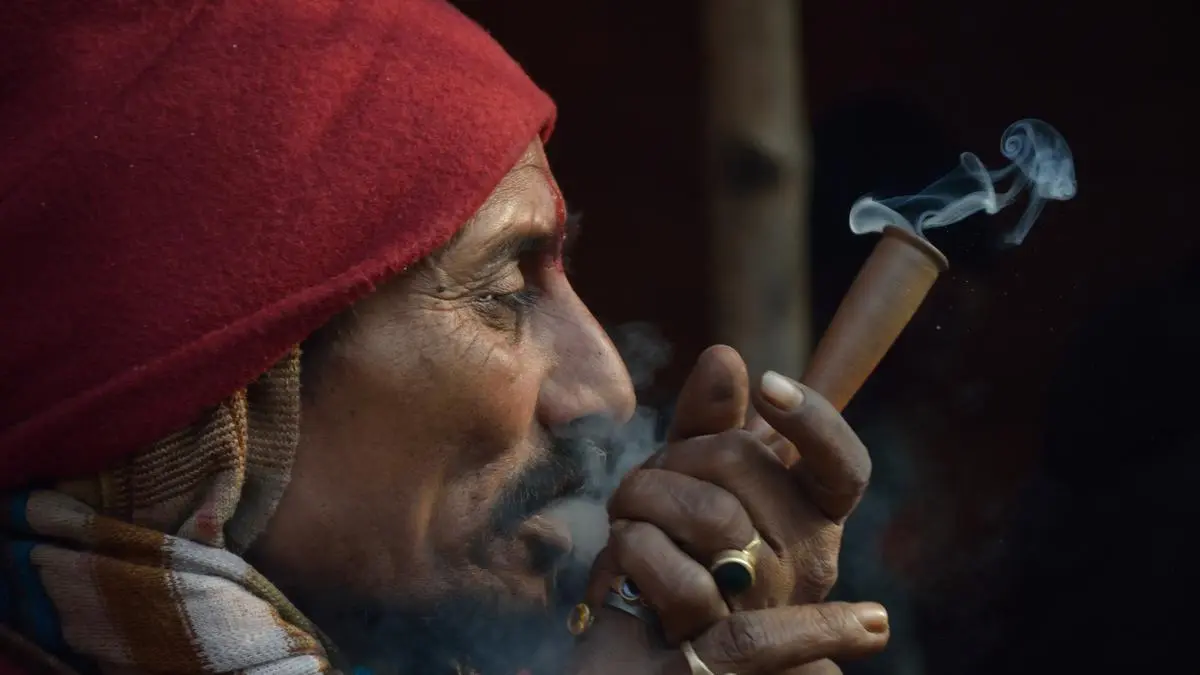
Cannabis in India: Legal Paradox, Cultural Legacy, and the Fight for Reform
<iframe src="//www.googletagmanager.com/ns.html?id=GTM-N24644H" height="0" width="0" style="display:none;visibility:hidden"></iframe>DIGITAL EXCLUSIVE India’s cannabis paradox Karan Madhok explores th...
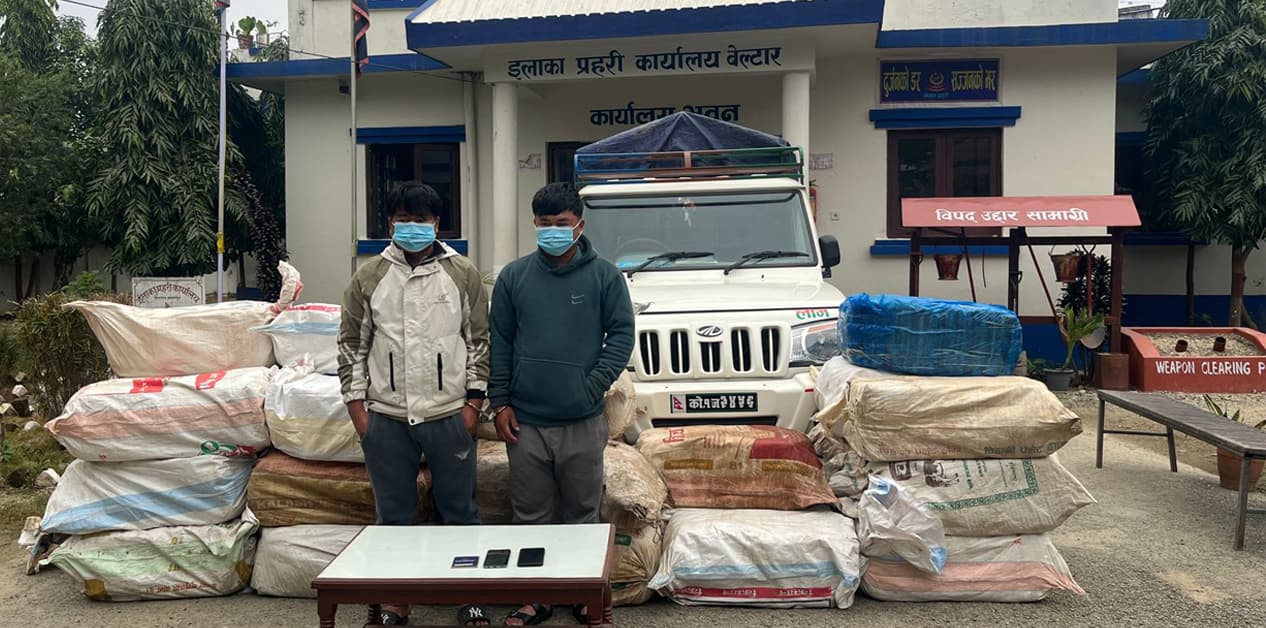
Nepal’s Drug Divide: Marijuana in the east, hashish and opium in central and western districts
Kathmandu Saturday, January 10, 2026 bookmark_border dark_mode home Home things_to_do Politics finance_mode Economy money_bag CAPITAL interpreter_mode INTERVIEW format_quote OPINION public WORLD sport...

Cannabis boom in South Africa and Zimbabwe is good for wealthy investors, bad for small farmers
Cannabis leaves and products. Getty Images Cannabis is booming as an ingredient in everything from supplementary oils, inflammation-reducing skin creams, lip balms to health drinks and gummy sweets th...
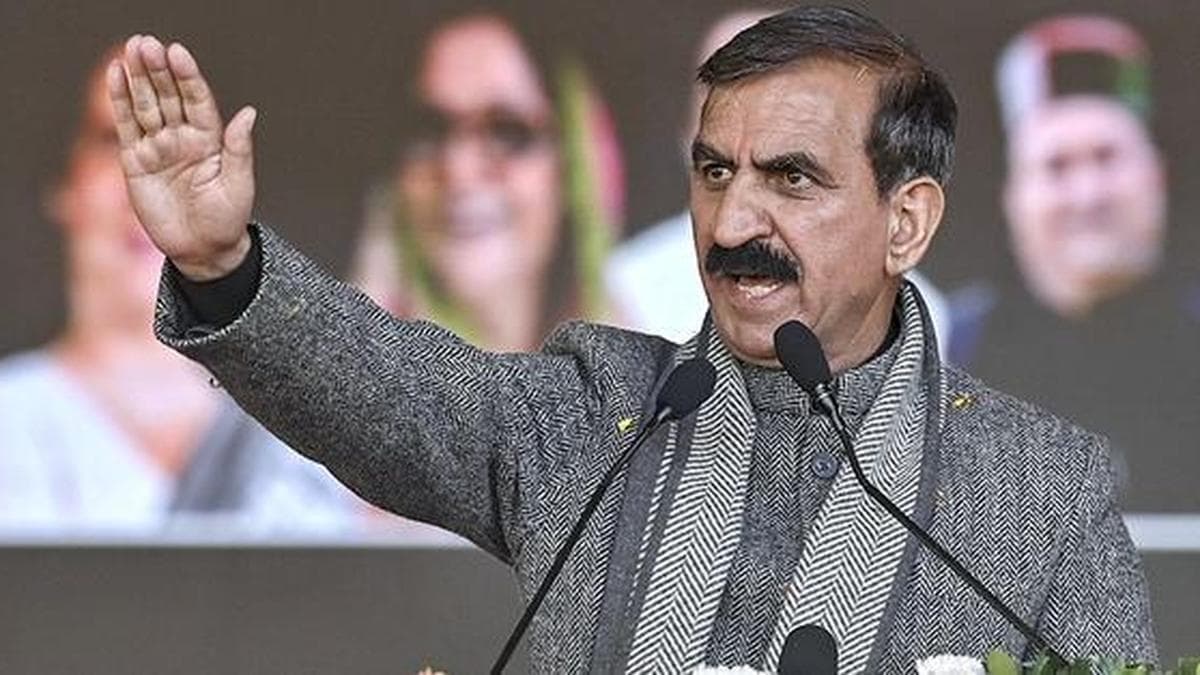
Himachal may roll out regulated cannabis cultivation within months, says CM Sukhu
<iframe src="//www.googletagmanager.com/ns.html?id=GTM-W5VV9N" height="0" width="0" style="display:none;visibility:hidden"></iframe> Himachal may roll out regulated cannabis cultivation within months,...
Cannabis Client Alert – Week of August 18, 2025
<iframe src="//www.googletagmanager.com/ns.html?id=GTM-NGBZ8S" height="0" width="0" style="display: none; visibility: hidden"></iframe> {{BCKData.LocationHeading}} {{BCKData.GoButton}} {{ !!location.c...
Policy History
Track the evolution of cannabis policies in Pakistan over time.
No specific cannabis law information available
No specific cannabis law information available
No specific cannabis law information available
No specific cannabis law information available
No specific cannabis law information available
No specific cannabis law information available
No specific cannabis law information available
No specific cannabis law information available
No specific cannabis law information available
No specific cannabis law information available
Disclaimer
This guide is for informational purposes only. We do not encourage or facilitate illegal activity. Laws and enforcement vary by location — always follow local regulations. Consult with local authorities or legal professionals for the most current and accurate information regarding Weed in Pakistan.