
Is Weed Legal in Nigeria?
Comprehensive legal status information for Weed in Nigeria
No specific cannabis law information available
- Recreational
- illegal
- Medical
- illegal
- Possession
- All possession illegal
- Buying/Selling
- All sale illegal
- Tourists
- Laws apply to all visitors
Detailed Information
Current Legal Status
Cannabis is currently illegal in Nigeria. The prohibition of cannabis in Nigeria dates back to the early 1970s when the Dangerous Drugs Act was enacted, criminalizing the cultivation, sale, and possession of cannabis. The law has remained largely unchanged, with cannabis classified as a Schedule 1 drug, indicating that it is considered to have a high potential for abuse and no accepted medical use. Despite its illegal status, cannabis is widely used in various regions of the country, particularly in the northern and southwestern areas.
Possession Penalties
Criminal penalties for possession of cannabis in Nigeria can be severe. Possession of small amounts, typically defined as less than 100 grams, can result in a fine of up to 100,000 Naira (approximately $260) or imprisonment for up to 5 years. For larger quantities, such as between 100 grams and 1 kilogram, penalties can escalate to a fine of 200,000 Naira (approximately $520) and imprisonment for up to 10 years. Repeat offenders face harsher penalties, including longer prison sentences and higher fines. In some cases, possession of over 1 kilogram can lead to life imprisonment.
Cultivation & Distribution
The penalties for cultivating or distributing cannabis in Nigeria are particularly severe. Cultivating cannabis plants can result in a minimum sentence of 15 years imprisonment, while distribution and trafficking can lead to life imprisonment. The law does not differentiate between small-scale growers and large-scale traffickers, meaning that even minor cultivation can result in significant legal consequences. The Nigerian Drug Law Enforcement Agency (NDLEA) actively pursues individuals involved in the production and distribution of cannabis, often conducting raids and arrests.
Enforcement
Enforcement of cannabis laws in Nigeria is stringent, with law enforcement agencies prioritizing drug-related offenses. The NDLEA is the primary agency responsible for combating drug trafficking and abuse, and it conducts regular operations to apprehend offenders. The court system tends to uphold the strict penalties associated with cannabis offenses, and cases can often result in lengthy legal proceedings. Corruption and bribery can complicate enforcement, as some individuals may attempt to evade penalties through illicit means.
Medical Exceptions
Currently, there are no legal medical exceptions for cannabis use in Nigeria, nor are there allowances for CBD products. The government has not recognized any medicinal benefits of cannabis, and as such, there are no legal frameworks in place to permit its use for medical purposes. Advocacy groups have called for research into the potential medical applications of cannabis, but as of now, there has been no legislative movement toward establishing a medical cannabis program.
Reform Efforts
There have been some movements advocating for the decriminalization or legalization of cannabis in Nigeria, particularly among youth and civil society organizations. Public opinion polls indicate a growing acceptance of cannabis use, especially for medicinal purposes, but significant political resistance remains. In recent years, there have been discussions within the Nigerian legislature about potential reforms, but no substantial changes have been enacted. The NDLEA continues to maintain a zero-tolerance policy, which complicates efforts for reform.
Travel Warning
Tourists traveling to Nigeria should be aware of the strict cannabis laws and the zero-tolerance policies enforced by law enforcement. Possession of even small amounts of cannabis can result in severe legal consequences, including arrest and imprisonment. Travelers are advised to avoid any involvement with cannabis and to be cautious in their interactions with local customs and law enforcement. It is essential to respect local laws to avoid serious legal repercussions.
Comparison to Neighbors
- Nigeria's cannabis laws are among the strictest in West Africa. Neighboring countries such as Ghana have begun to explore the possibility of legalizing cannabis for medical use, while Nigeria maintains a hardline stance against all forms of cannabis.
- Cross-border risks are significant, as individuals may face legal consequences for transporting cannabis across borders, even if the neighboring country has more lenient laws. This can lead to arrest and prosecution in Nigeria, regardless of the legal status in other countries.
Recent News
Latest updates from trusted news sources

Cannabis boom in South Africa and Zimbabwe is good for wealthy investors, bad for small farmers
Cannabis leaves and products. Getty Images Cannabis is booming as an ingredient in everything from supplementary oils, inflammation-reducing skin creams, lip balms to health drinks and gummy sweets th...

Understanding "medical Cannabis"
HomeSingapore's drug situationMyths and facts about drugsCannabisUnderstanding "medical Cannabis"Understanding "medical Cannabis"Singapore clarifies that raw cannabis isn’t medically validated or safe...
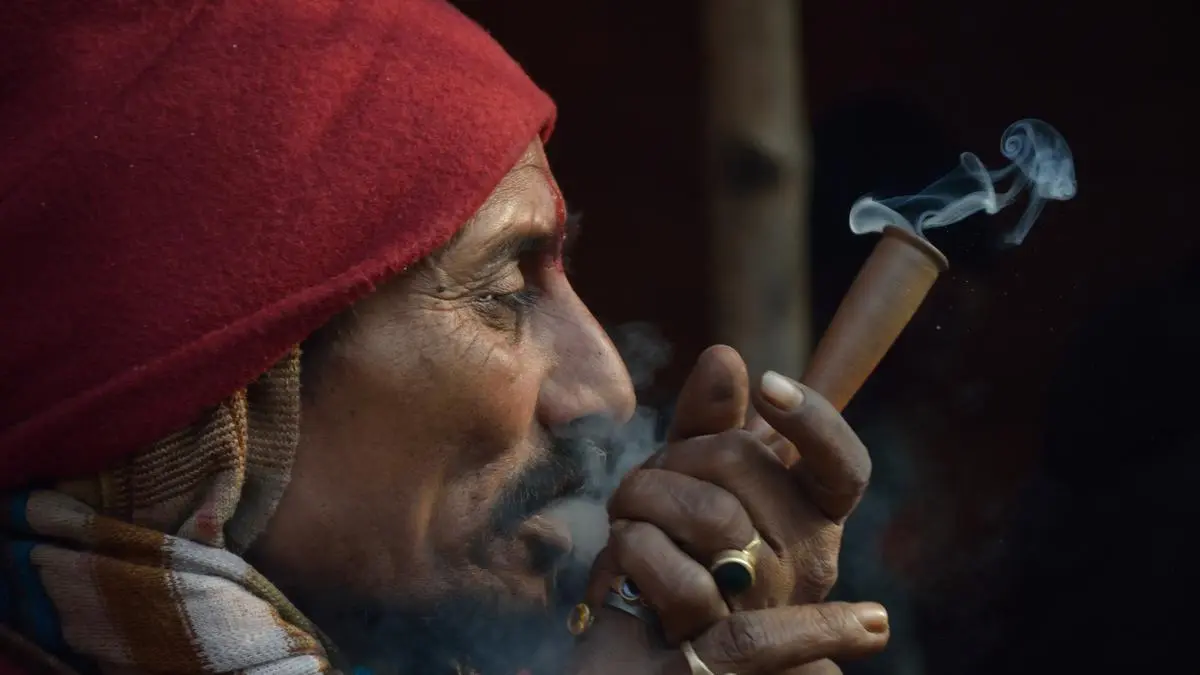
Cannabis in India: Legal Paradox, Cultural Legacy, and the Fight for Reform
<iframe src="//www.googletagmanager.com/ns.html?id=GTM-N24644H" height="0" width="0" style="display:none;visibility:hidden"></iframe>DIGITAL EXCLUSIVE India’s cannabis paradox Karan Madhok explores th...

2025 Year in Review: NORML’s Top Ten Events in Cannabis Policy
<iframe src="https://www.googletagmanager.com/ns.html?id=GTM-PDQV3N&townnews.product.software=BLOX&townnews.product.version=1.90.4&townnews.crm.group_id=829&townnews.content.id=c6626d7...
Harms of Cannabis
HomeSingapore's drug situationMyths and facts about drugsCannabisHarms of CannabisHarms of CannabisCannabis is harmful and addictive. It can damage the brain and is linked to serious mental health iss...
Policy History
Track the evolution of cannabis policies in Nigeria over time.
No specific cannabis law information available
No specific cannabis law information available
No specific cannabis law information available
No specific cannabis law information available
No specific cannabis law information available
No specific cannabis law information available
No specific cannabis law information available
No specific cannabis law information available
No specific cannabis law information available
No specific cannabis law information available
Disclaimer
This guide is for informational purposes only. We do not encourage or facilitate illegal activity. Laws and enforcement vary by location — always follow local regulations. Consult with local authorities or legal professionals for the most current and accurate information regarding Weed in Nigeria.